
Canon PowerShot G7 X Mark III vs Sony RX100 VII: Which Premium Compact Camera Is Right for You?
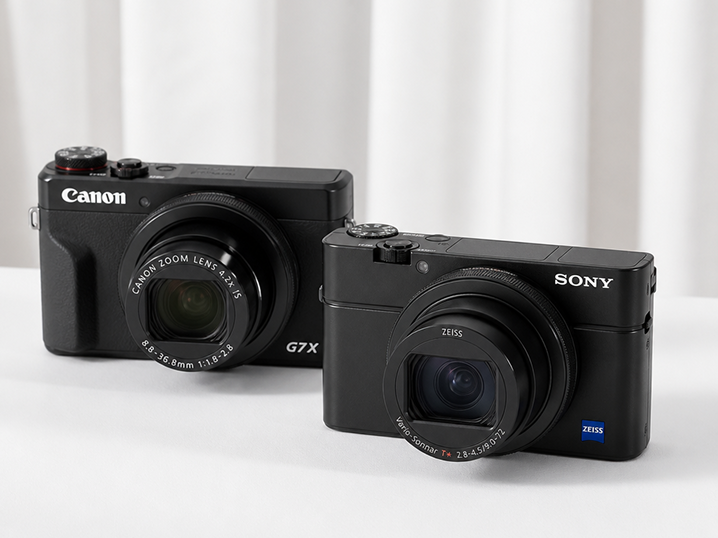
Premium compact cameras remain popular among content creators, vloggers, travel photographers, and enthusiasts who want better image quality than a smartphone without carrying a large interchangeable-lens camera. The Canon PowerShot G7 X Mark III and Sony RX100 VII are two of the most competitive models in this category, offering excellent portability, advanced features, and impressive performance. This comparison review explores their image quality, autofocus systems, video capabilities, design, battery life, and overall user experience to help photographers choose the best compact camera for their needs. While the Canon PowerShot G7 X Mark III focuses on simplicity, excellent colors, and creator-friendly features such as live streaming, the Sony RX100 VII delivers a more professional experience with its powerful autofocus, versatile zoom range, and advanced shooting capabilities. Both cameras have unique strengths depending on whether users prioritize vlogging, travel photography, or high-performance shooting.
Introduction: Two Leading Premium Compact Cameras
Smartphones have become increasingly powerful, but dedicated compact cameras still provide advantages in image quality, optical zoom, handling, and creative control. For users who want a pocket-sized camera with professional-level features, the Canon PowerShot G7 X Mark III and Sony RX100 VII are two of the most popular choices.
The Canon G7 X Mark III is designed with creators and everyday photographers in mind. It offers a large 1-inch sensor, bright lens, excellent color reproduction, and convenient video features. The Sony RX100 VII, meanwhile, represents a more advanced compact camera experience with a fast autofocus system, longer zoom lens, and impressive shooting speed.
Although they belong to the same premium compact camera category, these two models target slightly different audiences.
Design and Build Quality
Canon PowerShot G7 X Mark III
The Canon G7 X Mark III features a compact and lightweight design that makes it ideal for travel and daily photography. Its smooth grip, touchscreen interface, and intuitive controls provide a comfortable shooting experience, especially for beginners and vloggers.
The 180-degree flip-up touchscreen is one of its biggest advantages for content creators, allowing users to easily frame selfies, videos, and travel vlogs.
Design Highlights:
- Compact pocket-friendly body
- 180-degree tilting touchscreen
- Simple and beginner-friendly controls
- Lightweight design for travel
Sony RX100 VII
The Sony RX100 VII has a premium metal body with a more professional feel. Despite its small size, Sony packs many advanced features into this camera, including a pop-up electronic viewfinder and a high-resolution display.
The camera feels more like a miniature professional camera, making it attractive to enthusiasts who want maximum performance in a compact body.
Design Highlights:
- Premium metal construction
- Built-in electronic viewfinder
- Tilting touchscreen display
- More advanced physical controls
Image Quality Comparison
Both cameras use a 1-inch CMOS sensor, which provides significantly better image quality compared with most smartphones.
| Feature | Canon PowerShot G7 X Mark III | Sony RX100 VII |
|---|---|---|
| Sensor | 20.1MP 1-inch CMOS | 20.1MP 1-inch Exmor RS CMOS |
| Image Processor | DIGIC 8 | BIONZ X |
| RAW Shooting | Yes | Yes |
| Low-Light Performance | Excellent | Excellent |
| Color Style | Warm and natural Canon colors | Detailed and realistic Sony colors |
The Canon G7 X Mark III is known for producing beautiful skin tones and pleasing colors straight from the camera. It is especially popular among vloggers and lifestyle photographers who want attractive images without heavy editing.
The Sony RX100 VII offers slightly better technical performance, especially in challenging situations. Its stacked sensor design improves speed and allows faster continuous shooting.
Lens and Zoom Performance
Canon PowerShot G7 X Mark III
The Canon uses a 24-100mm equivalent f/1.8-2.8 lens, which provides a bright aperture and excellent low-light capability.
Advantages:
- Wider aperture for portraits and night photography
- Beautiful background blur
- Excellent for food, street, and lifestyle photography
The main limitation is the shorter zoom range compared with Sony.
Sony RX100 VII
The Sony features a 24-200mm equivalent f/2.8-4.5 lens, giving users much greater flexibility.
Advantages:
- Longer zoom range
- Better for travel and wildlife photography
- More versatile shooting options
The trade-off is a slower maximum aperture at the telephoto end.
Autofocus Performance
Autofocus is one of the biggest differences between these cameras.
Canon G7 X Mark III
Canon provides reliable autofocus for everyday photography and video, but its system is not as advanced as Sony's.
It works well for:
- Casual photography
- Travel videos
- Static subjects
However, fast-moving subjects can be more challenging.
Sony RX100 VII
Sony dominates in autofocus performance.
It includes:
- Real-time Eye AF
- Real-time Tracking
- Fast hybrid autofocus
- High-speed continuous shooting
For sports, pets, children, and action photography, Sony provides a clear advantage.
Video and Vlogging Features
Canon G7 X Mark III: Better for Content Creators
The Canon G7 X Mark III is one of the most popular compact cameras for vloggers because of its creator-focused features.
Video features:
- 4K video recording
- Full HD slow motion
- Vertical video support
- Live streaming capability
- External microphone input
The clean Canon color profile and flip screen make it easy for beginners to create high-quality videos.
Sony RX100 VII: Better for Professional Video
Sony also offers excellent video performance.
Video features:
- 4K HDR recording
- Active image stabilization
- S-Log2/S-Log3 profiles
- High-speed autofocus during video
- External microphone support
For filmmakers and advanced creators, Sony provides more professional control.
Battery Life and Usability
| Category | Canon G7 X Mark III | Sony RX100 VII |
|---|---|---|
| Battery Life | Around 235 shots | Around 260 shots |
| Charging | USB-C charging | USB charging |
| Ease of Use | Very beginner-friendly | More advanced |
The Canon has a simpler learning curve, making it ideal for casual users. Sony offers more customization but requires more time to master.
Pros and Cons
Canon PowerShot G7 X Mark III
Pros
✅ Excellent image quality ✅ Beautiful Canon color science ✅ Bright lens for low light ✅ Great flip screen for selfies and vlogging ✅ External microphone support ✅ Easy to use
Cons
❌ Less powerful autofocus ❌ Shorter zoom range ❌ No built-in electronic viewfinder
Sony RX100 VII
Pros
✅ Outstanding autofocus system ✅ Powerful 24-200mm zoom lens ✅ Built-in electronic viewfinder ✅ Excellent video quality ✅ Fast continuous shooting ✅ Professional-level features
Cons
❌ More expensive ❌ Menu system can feel complicated ❌ Smaller maximum aperture at long zoom
Which Camera Should You Buy?
Choose Canon PowerShot G7 X Mark III If You:
📸 Create YouTube videos or travel vlogs 📸 Want beautiful colors straight from the camera 📸 Prefer simple operation 📸 Need a compact everyday camera 📸 Focus on portraits, food, and lifestyle photography
The Canon G7 X Mark III is a fantastic choice for creators who value convenience and great-looking results.
Choose Sony RX100 VII If You:
📷 Need the best autofocus performance 📷 Photograph moving subjects 📷 Travel frequently and need more zoom range 📷 Want professional video features 📷 Prefer maximum performance in a small body
The Sony RX100 VII is better suited for enthusiasts who want a powerful pocket camera without compromising on features.
Final Verdict
Both the Canon PowerShot G7 X Mark III and Sony RX100 VII are excellent premium compact cameras, but they serve different types of photographers.
The Canon PowerShot G7 X Mark III is the better choice for vloggers, beginners, and lifestyle creators who want easy operation, attractive colors, and reliable everyday performance.
The Sony RX100 VII is the winner for photographers who demand advanced autofocus, greater zoom flexibility, and professional-level shooting capabilities.
For casual creators and travel bloggers, Canon offers outstanding value. For serious enthusiasts who want the most powerful compact camera available, Sony RX100 VII remains one of the best options on the market.